
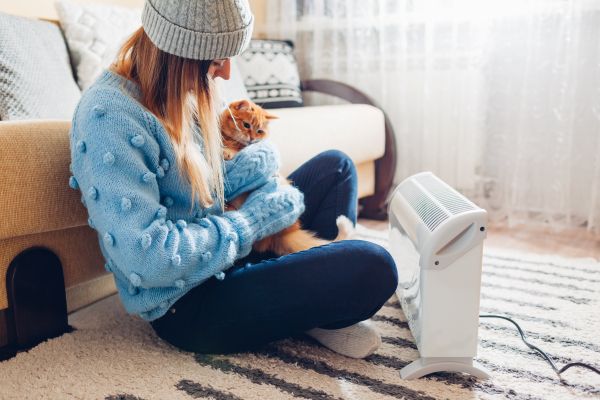
Few things are more uncomfortable than being stuck in a freezing-cold home during the winter months. A broken-down furnace can be more than just inconvenient. If the temperature drops low enough, it can put the inhabitants of the building at risk. For this reason, it’s important to ensure your furnace is running properly at all times, which means addressing any problems that occur as quickly and thoroughly as possible.
In the following article, we’ll discuss the signs of common furnace problems and how you can detect them early. We’ll also help you to determine whether you can solve the issue yourself with a little effort, or if it’s time to contact your HVAC professional.
Strange Noises
When it’s operating correctly, your furnace should make very little noise. While some furnaces perform their jobs more quietly than others (older models, in particular, may be on the louder side), any sounds they do make should be predictable—the blower running when your furnace cycles on, for instance.
One of the clearest signs that a problem has developed in your furnace is an unusual or unexpected sound coming from somewhere within the system. Hearing rattling, buzzing, or clattering when you run your furnace may indicate an issue.
Your furnace is made up of multiple moving elements, and strange noises are a sure sign one of these is malfunctioning. For example, a forced-air system circulates heated air throughout the home using a large blower motor. If the fan or one of its component parts becomes loose or disconnected from the main system, it may cause the system to operate less effectively, while also creating a symptomatic noise, such as a persistent squeak. Similar mechanical issues can create other sounds.
Solution
If your HVAC system is making noises it shouldn’t be, try to locate the source of the problem with a quick investigation. If the cause of the noise is a simple loose element, you may be able to tighten it yourself and solve the problem.
However, if you can’t locate the source of the noise or if the damage is more extensive, contact your local HVAC contractor for a professional inspection and repair.
Frequent Cycling
Your furnace is controlled by an electronic thermostat, which cycles it on and off as needed to maintain your desired temperature. In a system that is operating as intended, the furnace actually doesn’t need to run for a prolonged period. After generating heat for a short time, it can shut off and rest for a while until the indoor temperature drops below the setting you have entered into the thermostat.
However, a furnace may cycle on and off excessively due to any number of common problems. This can lead to undue wear and tear on the system, as well as excessive energy consumption and an inflated heating bill.
Solution
Depending on the source of the problem, you may be able to address the issue yourself. One of the most common causes of excessive cycling is poor insulation in the home, which allows heated air to escape and wastes valuable energy as a result. You can often fix this problem yourself by determining the location of drafts and patching air leaks around doors and windows with a store-bought sealant.
Other issues may require the aid of an HVAC professional. For example, electrical problems in the thermostat or control board can cause your furnace to cycle on and off. This is an issue that can only be resolved by a professional with electrician training.
Poor Indoor Air Quality
One of the most common furnace problems is improper filtration, which is nearly always accompanied by a decline in indoor air quality. This is particularly true in buildings that utilize fossil fuels as their heat source, due to the byproducts generated by the combustion process.
Even if the home is well-ventilated, the continuous flow of air during the heating process will carry dust, dirt, and other impurities with it. These impurities will eventually enter the indoor environment and may cause respiratory problems and other symptoms for inhabitants, particularly if they have asthma, allergies, or are otherwise sensitive.
Solution
To maintain good air quality, modern HVAC systems are equipped with high-quality filters that can capture even the smallest particles as they travel through the ventilation systems. If you notice increased health problems or allergy symptoms, it may be due to an issue with your filters.
Over time, HVAC filters eventually become saturated with dust, dirt, pollen, soot, and other pollutants. When a filter is clogged or extremely dirty, it becomes less effective and eventually starts reintroducing pollutants to the indoor atmosphere, ultimately contributing to poor air quality. To prevent this problem, homeowners should replace their filters at least once every three months—more often if you live in an area with low outdoor air quality.
Uneven Heating
Another of the most common furnace problems is uneven heating throughout the home. You may notice cold patches in certain areas, while others seem excessively hot. You may even discover that entire rooms are failing to reach the desired temperature, despite your efforts to ensure that all the vents are open and the air is flowing freely.
Solution
Usually, a failure of the system to heat the home evenly is due to a hidden blockage somewhere in the ventilation network. Sometimes, these are easy to discover; it may be as simple as a piece of furniture that has been placed in front of a vent. If that’s the case, you can address the problem yourself by relocating the offending object.
However, in other cases, the blockage that is preventing the airflow may be internal, such as in the ductwork. If that’s the case, you will need to contact your HVAC contractor to perform a more thorough inspection and cleaning.
One of the surest methods for avoiding any of the problems mentioned above is to invest in regular professional maintenance. The HVAC experts from All Weather Heating & Cooling can help keep your home heating system in good working order by performing an annual inspection and recommending any necessary preemptive repairs. Schedule a visit today and ensure your furnace keeps you warm for many winters to come.