
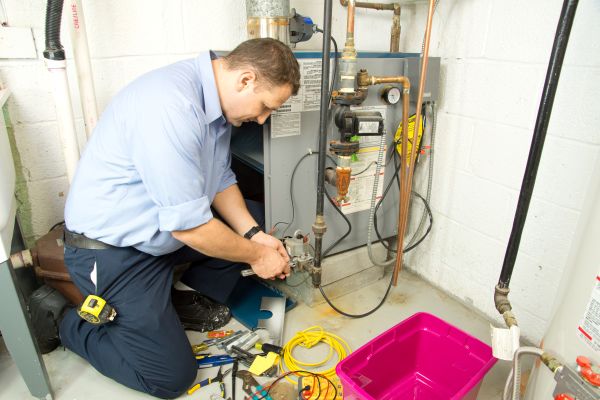
Over the past decades, the HVAC experts at All Weather Heating & Cooling have responded to many furnace emergency repair calls. As part of our commitment to serving northeast Ohio, we are available 24 hours a day to ensure residents stay safe and comfortable during the cold Midwestern winters, and we’ve frequently had to fulfill that commitment by rushing to the aid of desperate homeowners in the darkest hours of the night.
The good news is that not every furnace issue requires emergency repair. So, how can you tell when it’s time to call for help? By paying attention to the telltale signs listed below, you’ll be able to tell when you need to call an HVAC technician right away and when scheduling a regular service appointment will do. Either way, it’s important to remember that you should address any furnace problems in a timely manner in order to avoid further or long-term damage to your equipment.
The Furnace Is Not Producing Heat
The most obvious sign of a malfunctioning furnace is an inability to produce enough heat energy to bring your home to the desired temperature. Even if the machinery cycles on and attempts to run, it may provide only weak heat or even no heat at all.
There are several reasons why this might happen, and not all of them indicate the type of catastrophic breakdown that would necessitate an emergency repair. For example, the problem may be as simple as an incorrect setting on the thermostat or a failure to circulate enough heated air due to clogged filters. Resetting your thermostat or replacing the filters may be all you need to do to restore comfort to your home.
In some cases, however, a furnace not producing heat may be the result of a more serious problem. If the problem persists after checking your filters, your thermostat, and other simple components, then it is possible professional repair may be needed. For instance, an HVAC technician may need to replace the burner or other heating element, or they may need to repair faulty wiring somewhere in the system.
You Notice an Odd Smell
In some cases, an issue may occur that won’t interfere with the regular operation of the furnace—at least, not immediately—but it could still be considered serious enough to necessitate an emergency repair. An unusual smell emanating from the furnace (or from anywhere in the HVAC system) can be a clear sign of an internal problem. This should be addressed immediately, as it may indicate a safety issue.
Pay attention to the type of smell coming from your furnace. This can help you and your HVAC technician determine what sort of problem you are dealing with. A musty smell can indicate mold, for instance, which can be eliminated with a thorough cleaning. The smell of burning rubber, on the other hand, may reveal a damaged or overheated component that must be repaired.
If you smell sulfur (the famous “rotten egg” scent), then you may actually have detected a natural gas leak. Gas companies add a sulfur-containing compound called mercaptan to their products, which would otherwise be odorless and undetectable. If you smell this odor in your home, shut your gas line off and immediately contact your HVAC professional for a furnace emergency repair.
You Hear Unusual Noises
Most furnaces do not operate entirely without sound, but well-constructed and properly maintained equipment will typically run quietly in the background, producing only a white-noise hum as a sign that it is working. If you notice unusual noises, such as rattling, buzzing, banging, squeaking, or anything else unexpected, this may mean that one of the interior components of your machinery has broken and is in need of emergency repair.
Most furnaces make use of large blower fans to circulate heated air throughout a building. Often, a rattling or banging sound indicates that a part of this fan has come loose or even fallen off and is at risk of damaging other parts of the machinery. If that’s the case, an emergency repair will definitely be required. Shut off the HVAC system and contact your HVAC professional immediately.
Your furnace may also be emitting a loud buzzing sound, which is often a sign of an electrical or wiring issue. Typically, this problem occurs in or near a device called the capacitor, which provides the electrical power necessary to cycle your system on and off. Any electrical issue should be addressed immediately by a licensed professional, as faulty or improper wiring can lead to safety concerns, including the risk of fire in the home.
The Furnace Shuts Down or Cycles Frequently
If your furnace will not run, or if it cycles on and off excessively even though the house isn’t getting up to the right temperature, then it is likely that there is a serious enough maintenance issue that requires immediate attention. If your furnace won’t run at all, and the temperatures outside are dropping, then it’s time to call your HVAC contractor. There is likely a mechanical issue that must be addressed immediately by a professional.
Short cycling usually indicates your furnace needs some type of maintenance, but whether it requires emergency repair or just a standard service call varies depending on the underlying issue. We discussed above the problems related to clogged filters or faulty thermostat wiring. Your furnace could also be cycling frequently if it’s either too large or too small for your home. While this will certainly affect your energy usage and is a good reason to schedule an appointment with an HVAC technician, it isn’t an emergency.
On the other hand, modern furnaces are equipped with multiple built-in safety features that cause them to switch off under certain unsafe circumstances, such as if the system is overheating or a flame sensor is damaged. If the operations of your furnace are creating conditions the manufacturer considers dangerous, then the underlying problems must be addressed before the furnace can resume its heating duties.
If your furnace is in need of emergency repair, contact All Weather Heating & Cooling anytime. We offer 24-hour emergency services to help your home and your family stay safe and comfortable, even during the coldest days and nights of the year.