
Spring is here, and that leads to longer days and warmer temperatures. People are heading back outside after a long winter being cooped up indoors. It’s the season for swimming, barbecues, and friendly baseball games lasting into the early evening.
Of course, warmer weather also means that we’re in for a few hot days, and you may find yourself needing to seek shelter in a nice air-conditioned home. Your air conditioner probably hasn’t been used in months, however. The components have been lying dormant since the last days of summer way back in September. Is it all right to simply switch it back on, or is there something that should be done first?
At All Weather Heating & Cooling, we have been caring for HVAC systems for decades, and you can take our word for it: Before you turn your air conditioning on this spring, it needs a little preventative maintenance. Below, we’ll explain how your AC’s critical systems work and what happens when they go unused for long periods. We’ll also help you prepare your machine for the hotter months, ensuring efficient and trouble-free operation for the springtime and beyond.
Check the Filters
The first step of air conditioning preventative maintenance is to inspect the filters. Over the past year, your HVAC system has likely seen heavy use, both for heating and cooling purposes. This continuous circulation of air carries with it a great deal of dust, dirt, pollen, and other particulates that can negatively impact the home’s indoor air quality. Your air conditioner has a filtration system in place to keep impurities and pollutants out of the air you breathe. Without these filters, the constant movement of pollutants can exacerbate conditions such as allergies, asthma, and other respiratory problems.
As the air conditioning is used, however, filters become soiled and blocked with the particles they collect. Eventually, this will cause them to fail to work properly, and harmful impurities can be reintroduced into the indoor environment.
Clogged filters also prevent the efficient flow of air throughout the home’s ventilation system. This can result in a dramatic increase in energy costs as your system works harder to accomplish the same results.
However, these problems are entirely preventable if the filters are regularly cleaned and occasionally replaced. Before switching your AC unit back on this spring, check the filters, and be prepared to replace them if they appear to be too dirty to perform their functions effectively.
Clear Away the Debris
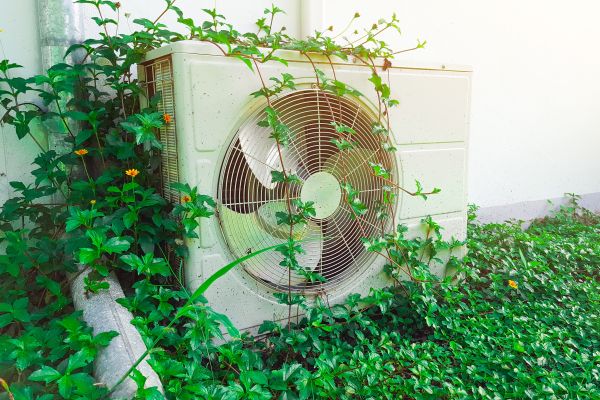
Whether you run your air conditioner or not, the outdoor components still face the elements over the course of the year. They might experience wind, rain, snow, hail, or debris such as leaves, dirt, and sticks. If your system is covered in plant matter or other material, it could hamper its ability to operate effectively. Before running your system for the first time this year, perform a thorough inspection of both the indoor and outdoor units and remove any foreign material that has accumulated around them.
One of the biggest causes of air conditioners failing to operate effectively after months of disuse is a buildup of debris around the refrigerator coils. These coils are key to how an AC unit works. They absorb heat energy from the ambient air, which is what provides the cooling effect that air conditioning creates. However, any blockage can slow the movement of energy and make the system far less efficient. In turn, this can lead to higher energy bills and an uncomfortable home.
It is often an easy fix, however. By carefully removing leaves and other debris that have built up in between the coils, you can restore your AC unit’s ability to cool efficiently as the spring months begin.
Make Sure the System Runs Properly
After you have checked the filters and removed obstructions, it’s time to perform a test run. This will help you determine if your AC unit has developed any mechanical issues or other problems since the last time it was used. These may be due to damage, but they can also occur as a result of normal wear and tear. Problems can develop during the hottest months, only to go unnoticed and unaddressed during the time the system is dormant. They can then hamper the effectiveness of the system just as you start to need it again.
To test whether your air conditioning is working properly, close all your doors and windows and switch it on. Does it provide the cooling effect you desire? How long does it take to achieve that effect? Does the indoor temperature match the one you have set on your thermostat, or is it different? Is it warmer or colder? Do you notice any unusual sounds or smells while the system is running? If so, then it’s time to contact your HVAC professional.
Schedule a Professional Maintenance Tune-Up
While you can do a lot of DIY air conditioner maintenance to prepare your system for spring, you can also leave the work to the professionals. In fact, even if you change your own filters and clear away obstructions yourself, an inspection by an HVAC technician is highly recommended.
Not all problems with your HVAC system will be immediately obvious, especially not to the layman’s eye. At least once a year, whether you notice a problem or not, you should schedule an appointment for air conditioning preventative maintenance with your HVAC professional. Often, catastrophic mechanical issues that lead to system failure and necessitate costly emergency repairs are preventable when potential problems are caught early during a checkup.
At your appointment, your contractor will work their way down a checklist to identify any issues. They’ll also perform a basic cleaning and tune-up to ensure each element of your system is operating at peak capacity.
Now that spring is finally here, it’s time to ensure your air conditioner gets the attention it needs. Contact the professionals at All Weather Heating & Cooling today and schedule a maintenance visit. Our expert technicians will perform air conditioning preventative maintenance and ensure your system is in good working order. You and your family will be ready to stay safe, healthy, and comfortable once the weather warms up.